Why I Moved from Okinawa to Nakatsu, Oita
What’s up, peeps! Haruka from Gut Chef Japan here. 👋
Today, I want to share why I made the decision to move from Okinawa to Nakatsu, Oita. I've mentioned the move on social media, but there are parts of the story I've never shared before.
Before I dive in, let me introduce myself. I'm originally from Tochigi Prefecture, about 1.5 hours north of Tokyo. I lived there until I was 18, and since then I've called many places home, including England, Saitama, Tokyo, Vancouver, and Okinawa. You could say I've moved around quite a bit!
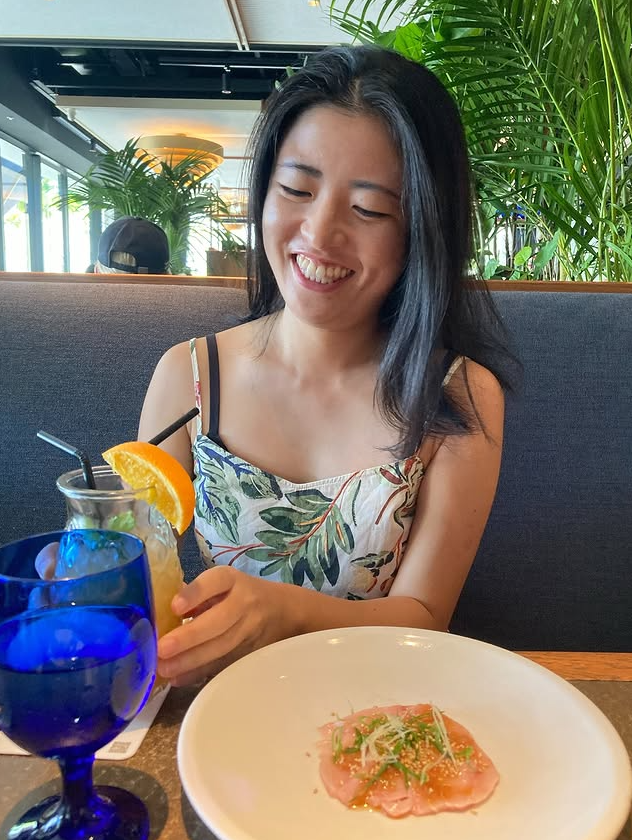
After graduating from an international university in Tokyo with a degree in business, I worked as a software engineer. Later, I became a professional holistic health blogger, then started my online health coaching business.
Over time, my work evolved into hosting group cooking experiences and half-day private retreats in Okinawa. Today, I host private Japanese fermentation experiences and a Japanese Fermented Foods Practitioner Certificate Course here in Nakatsu, Oita.
My husband, Harrison, and I lived in Okinawa until April 2026. Moving to Oita wasn't something we had been planning for years. In fact, the idea only came to me in December 2025, and within four months we had made it happen.
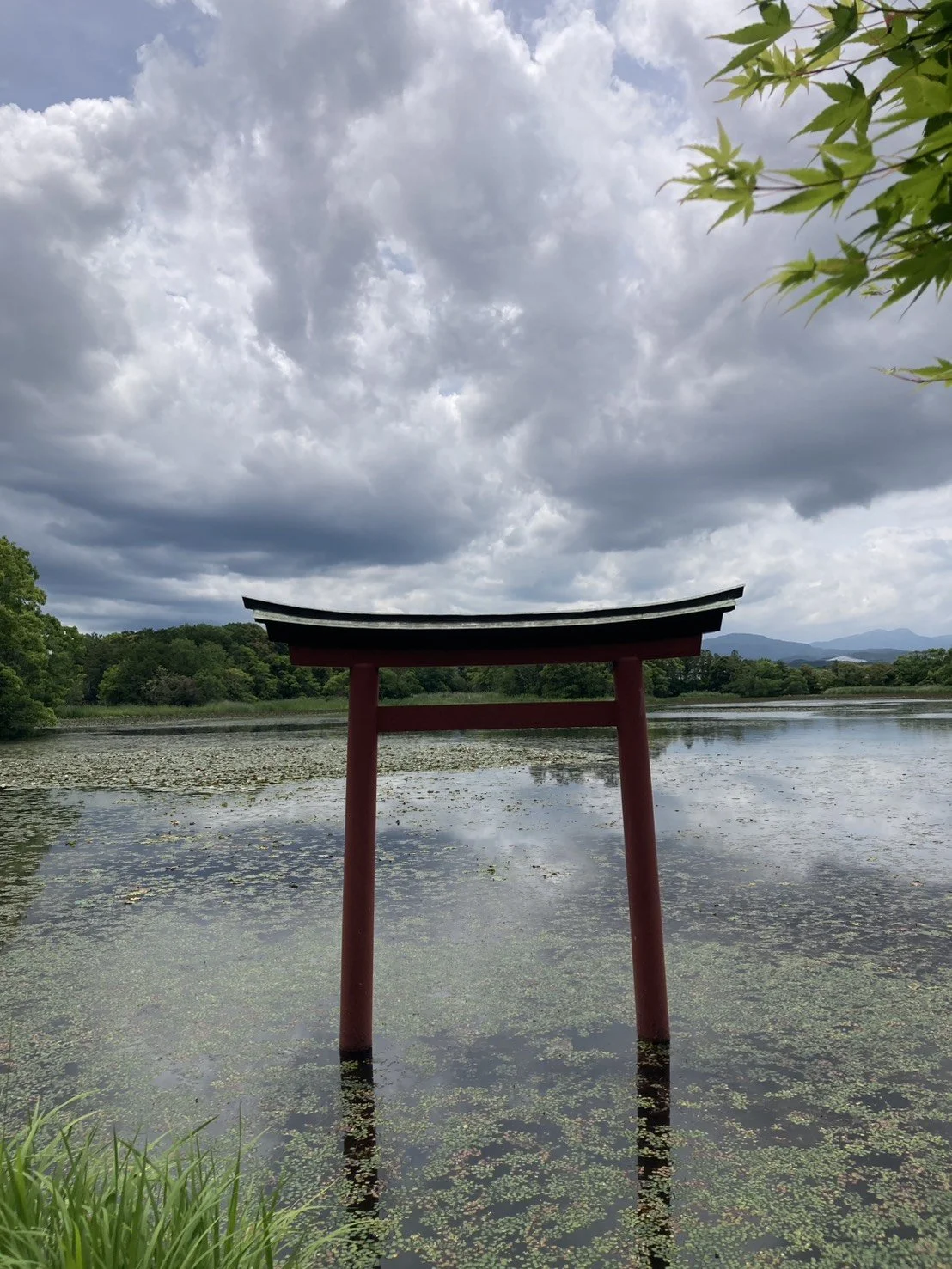
What's even more surprising is that neither of us had really explored Kyushu until our visit in February 2026.
Yet something about that visit completely changed our perspective.
So, how did we go from living in Okinawa to settling in Nakatsu, Oita? Let me share the story. We lived in Okinawa in a total of 3.5 years and it was one of my dream to live somewhere warm by the beach and we pretty much enjoyed our time in Okinawa.
There are mainly 3 reasons why we moved out of the island.
1. Okinawa's laid-back culture became challenging in a business setting
Over the course of a year, I went through four different venues. A village-run public kitchen turned out not to be available on weekends. A vacant elementary school that seemed promising never moved forward because air conditioning couldn't be guaranteed. A community centre frequently had scheduling conflicts, and a house I eventually moved into became unavailable due to issues between the property manager and owner.
Together, these experiences created a constant sense of uncertainty. Just as my business was transitioning from fully online coaching to in-person experiences, I found myself repeatedly losing venues and starting over.
After a while, I began to question whether I could build a stable, long-term business in that environment. More than anything, I wanted a place where I could put down roots and focus on growing my business instead of constantly searching for the next venue.
Around that time, one of our neighbours, a couple originally from Kyushu, decided to leave Okinawa and move to Kagoshima. They used a local government relocation support program, which provides financial incentives to younger families and working-age residents who are willing to move to rural areas.
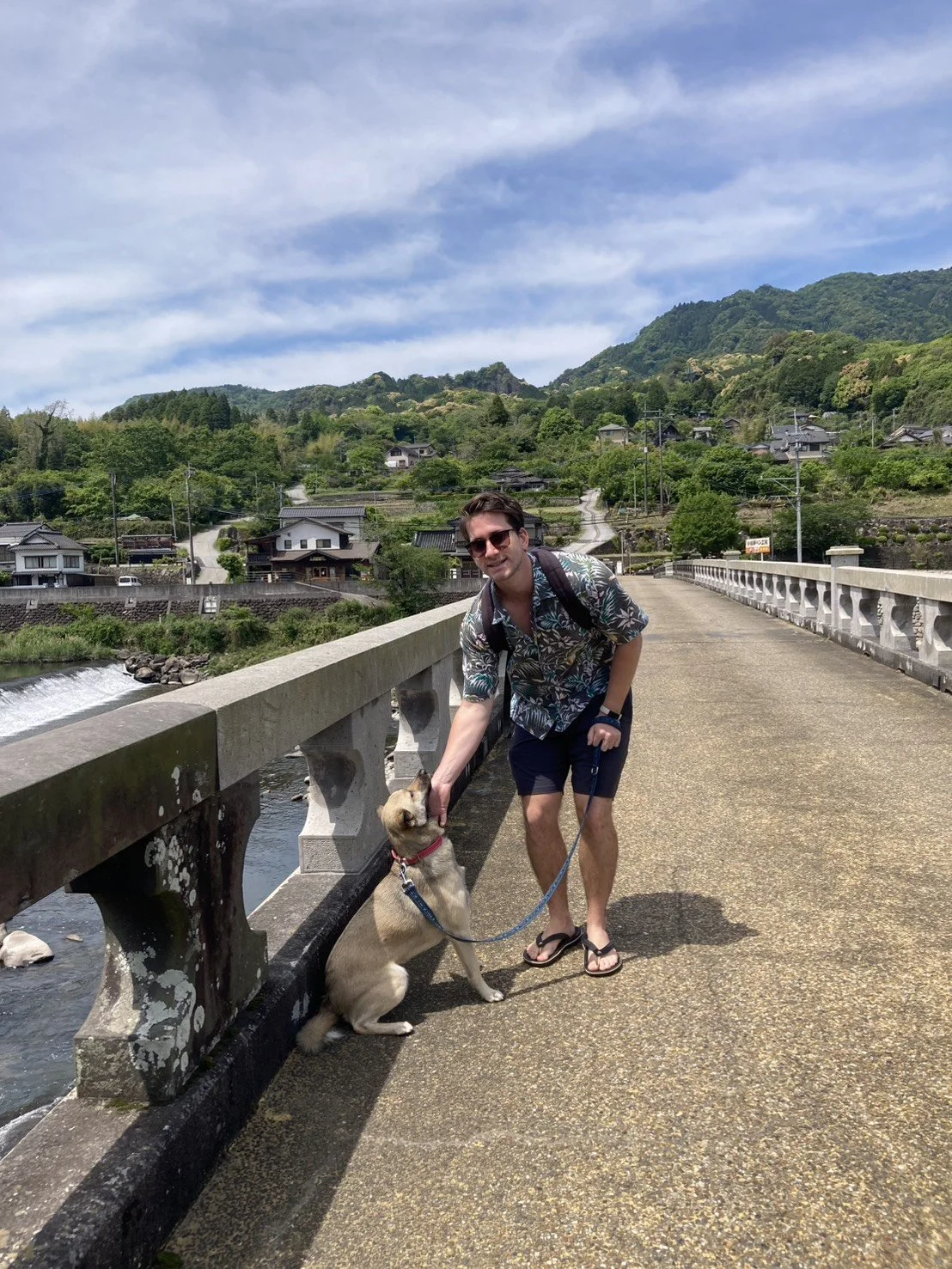
Their move made me curious about what life outside Okinawa might look like. Until then, I hadn't paid much attention to the housing market elsewhere in Japan. As I started researching, I was surprised by how many rental properties were available across Kyushu and how affordable they were compared to Okinawa.
The difference was significant. While housing prices and rents in Okinawa seemed to be increasing year after year, many parts of mainland Japan still offered larger homes at much lower prices. For the first time, I started to see a realistic path toward finding a dedicated space for my business without stretching our budget.
That was when I began seriously questioning whether staying in Okinawa was the right long-term decision for us. If I wanted to build a business that depended on having a reliable physical space, perhaps it made more sense to look beyond the island.
2. I didn't want my work to be limited to the "Blue Zone" story
Another reason we decided to leave Okinawa was that I didn't want my work to be defined solely by the Blue Zone narrative.
The village we lived in, Ogimi, is often referred to as the "Village of Longevity" and attracts visitors from around the world who want to learn the secrets of living a long and healthy life. Even before moving to Ogimi, when we were living in nearby Nago, I had already started questioning what the term "Blue Zone" really meant in modern-day Okinawa.
What I observed didn't always match the image presented in documentaries and articles. Many people smoked, drank heavily, avoided walking, and traditional eating habits were gradually disappearing. When I moved to Ogimi, I expected to see a stronger connection to the lifestyle often associated with longevity, but I found that modern Okinawa was changing just like the rest of Japan.
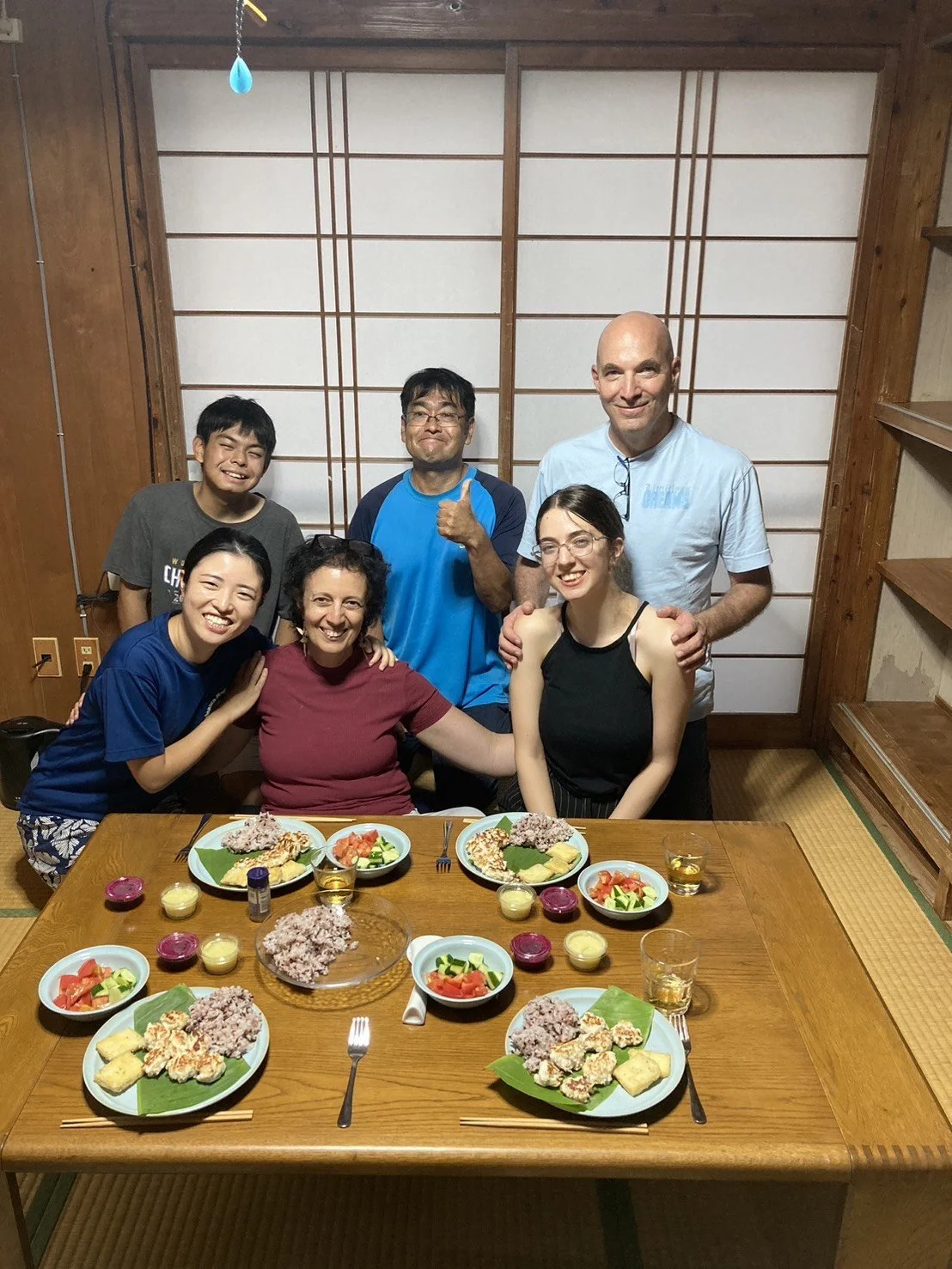
Because visitors came to Ogimi expecting to learn about the Blue Zone lifestyle, I felt a responsibility to address the topic in my experiences. I started sharing statistics showing how Okinawa's life expectancy and disease rates had changed over the decades. I also explained that many of the habits highlighted in documentaries from the 1980s and 1990s developed under very different circumstances. Older generations lived through war, food shortages, and economic hardship, which naturally shaped their diets and lifestyles.
The more I taught about Okinawa's health culture, the more I realized that longevity itself wasn't my biggest passion. Perhaps that's partly because I grew up seeing longevity as something normal—my great-grandmother lived to be 103 years old. Rather than focusing on living as long as possible, I was always more interested in helping people enjoy healthy everyday lives through cooking.
My real passion has always been seasonal Japanese ingredients, fermented foods, and making healthy cooking approachable. Once I realized I didn't need to stay in Okinawa, I felt excited. Moving elsewhere in Japan would allow me to focus on the topics I genuinely loved, rather than feeling tied to a single narrative about longevity.
For the first time, I could imagine building experiences around Japanese food culture as a whole, not just Okinawa's Blue Zone reputation.
3. Finding a home for our business was much harder than we expected
The final factor was housing.
When I unexpectedly lost the house I was using for my private retreats, I assumed I would be able to find another property fairly quickly. I was wrong.
I spoke with neighbours, left flyers describing the type of property I was looking for at community centres, local shops, farmer's markets, banks, and post offices, and asked around in the community. Through that process, I learned that many houses in the village sat empty, yet very few were actually available for rent.
There were several reasons for this. Many families preferred to keep the property within the family and did not want outsiders using their vacant family home. Decision-making could also be complicated because Okinawan families are often large, and multiple family members may have a say in what happens to a property. If even one person was uncomfortable with renting out the house, the arrangement usually did not proceed. Other times, properties simply remained vacant because no one was actively managing them or interested in taking the steps required to rent them out.
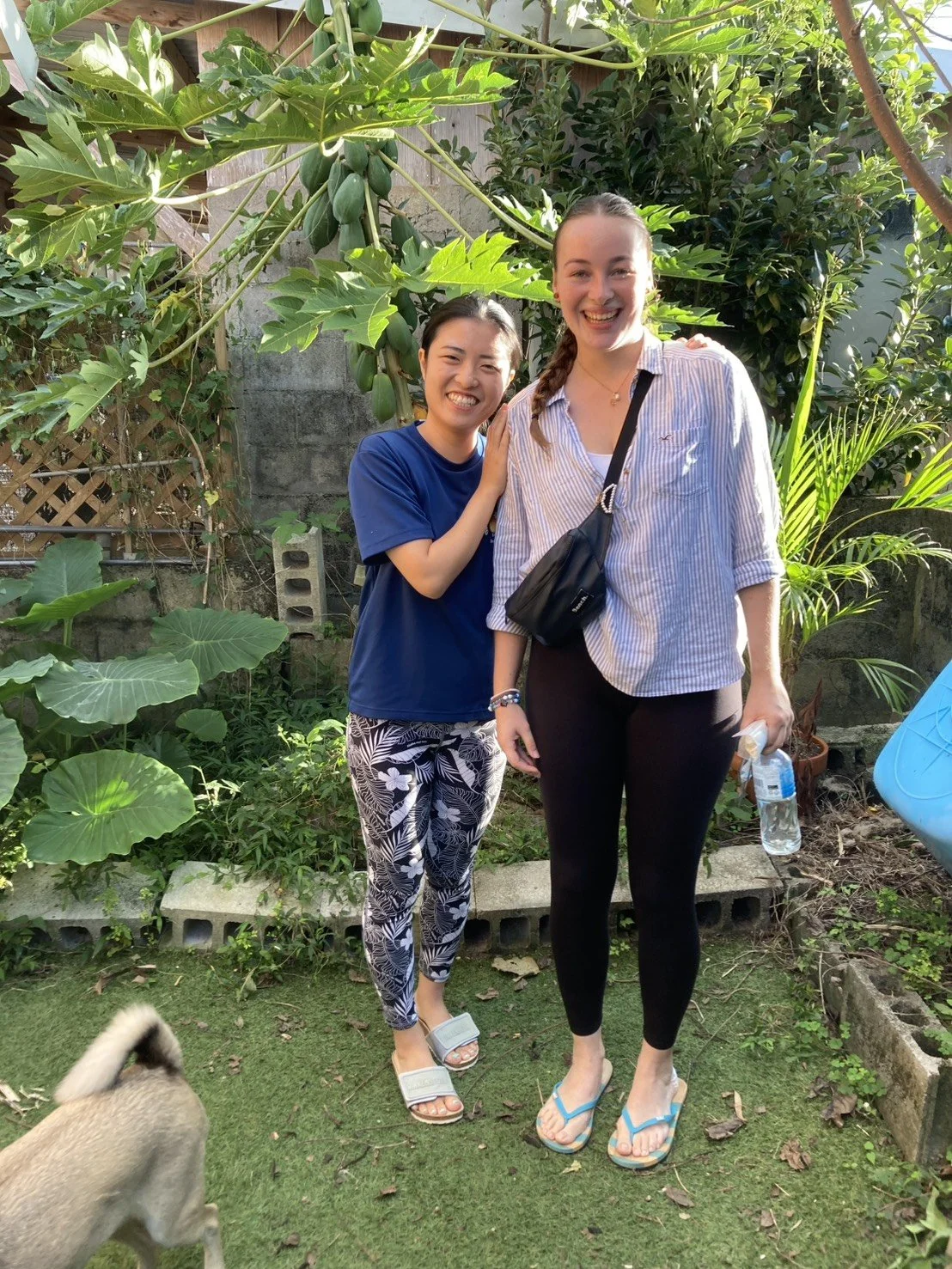
The experience was frustrating, but it also sparked my interest in Japan's akiya (vacant house) issue. As I researched housing trends across the country, I discovered something surprising: while many rural areas of mainland Japan struggle with large numbers of vacant homes, Okinawa has one of the lowest housing vacancy rates in the country.
That helped explain why finding a suitable property had been so difficult. Demand for housing remained high, while available rental properties were limited.
At the same time, I noticed a huge difference in housing costs. In Okinawa, renting a house suitable for both living and hosting experiences could easily cost the equivalent of US$1,000 to US$2,000 per month. In many rural parts of mainland Japan, similar properties could often be found for a fraction of that price.
The more I researched, the more I realized that building a business with a dedicated physical space might be much easier outside Okinawa. What started as a search for a new venue gradually became a broader conversation about where we wanted to build our future.
I'm Happy We Decided to Move to Nakatsu, Oita
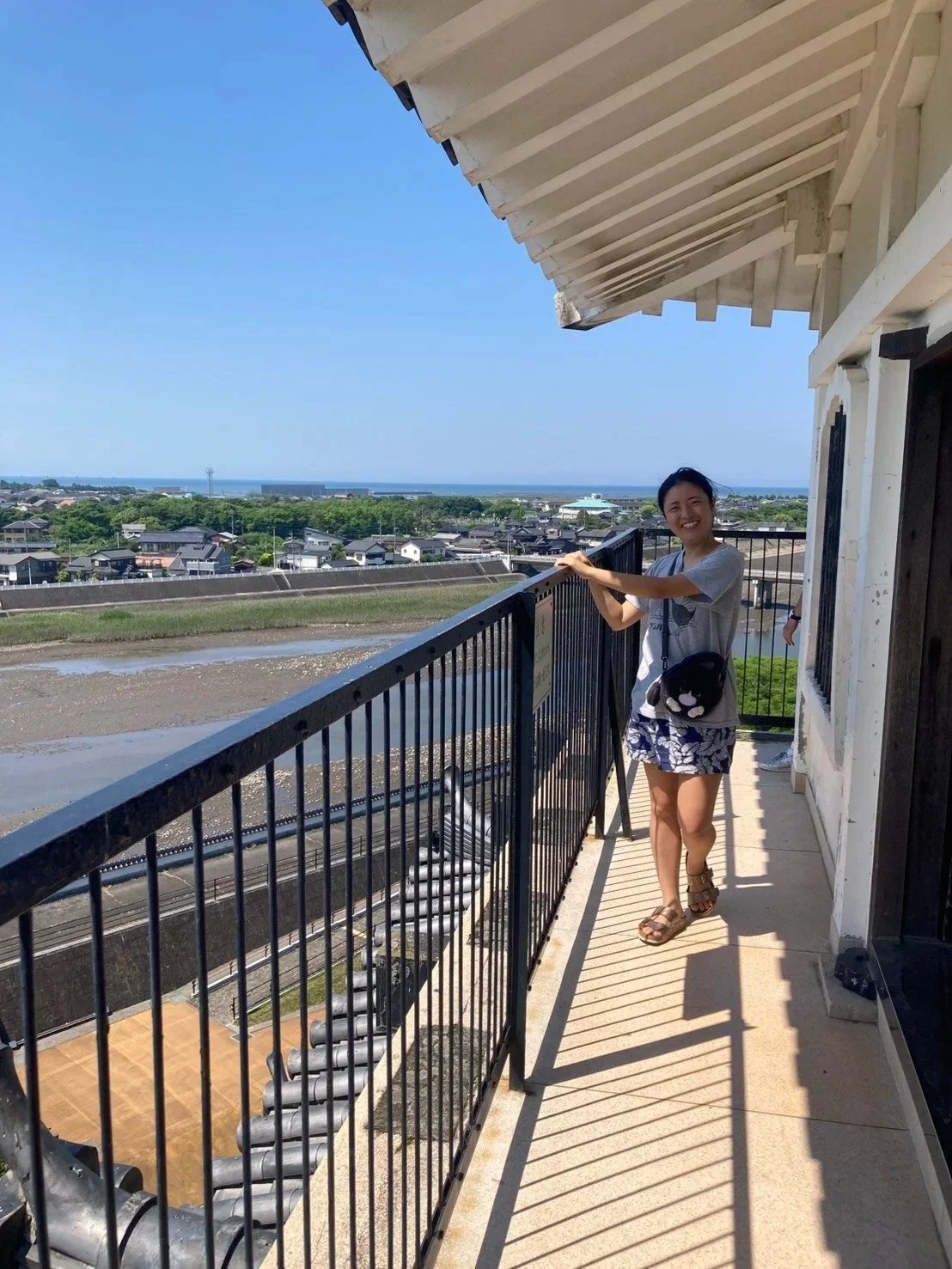
As I'm writing this on June 19, 2026, I can honestly say that despite all the challenges we faced along the way, I'm incredibly happy that we decided to leave Okinawa and start a new chapter in Nakatsu, Oita.
One of the biggest blessings has been finding a 1,500-square-meter property where we can both live and run our business at a price that would have been difficult to imagine in Okinawa. Having a stable space has given me peace of mind and allowed me to focus on growing the business rather than constantly worrying about venues.
Life outside of work has improved as well. Compared to Ogimi Village, Nakatsu is a much larger city with far more things to do. Looking back, I didn't realize how isolated I had become in Okinawa. The nearest supermarket was a 40-minute drive away, and when I finished work early, I often found myself staying home simply because there weren't many options nearby.
Here, I can visit local markets, relax at hot springs, stop by a café, or attend a weekly yoga class. I loved Okinawa's tropical climate, but being on an island also came with challenges. Since I'm not a big fan of flying, traveling outside Okinawa often felt stressful. Living in Kyushu has opened up so many more opportunities to explore. We can easily visit new places by train or car, and that sense of freedom has been refreshing.
Another unexpected gift has been the people we've met. We've made two wonderful friends in our neighborhood, and our puppy gets to play with their puppies almost every day. Our neighbors often share seasonal produce from their gardens, friends, and family members, which reminds me of the strong sense of community that first drew me to rural living.
Starting over in a new location hasn't been easy. Rebuilding a business, establishing new connections, and adapting to a different environment takes time. But so far, every challenge has been worth it.
I don't know exactly what the future holds, but I feel excited about the direction we're heading. Looking back, what seemed like a sudden decision to leave Okinawa was really the result of many small experiences that gradually pointed us toward a different path.
And for now, Nakatsu feels like exactly where we're meant to be.
Stay tuned for more stories about our life, business, and adventures in Kyushu.
